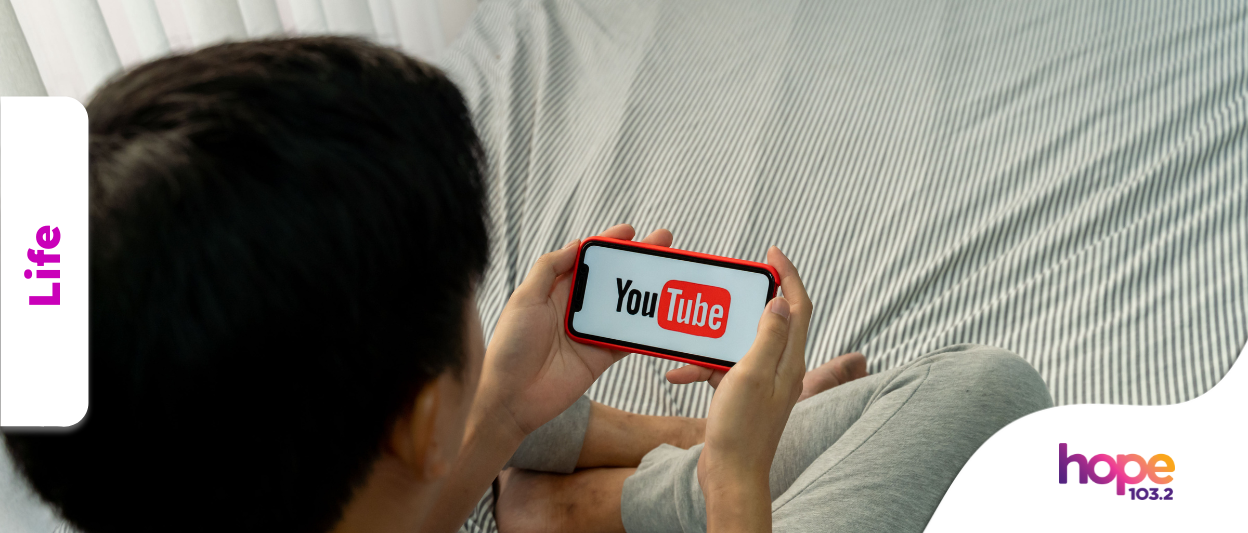
When the government recently announced that YouTube will be added to the list of banned platforms for children, the news sparked plenty of discussion.
Key points:
- “We need to start having conversations with children about what this means for our family and what a tech balance involves in our home.”
- The aim of the ban is to reduce the likelihood of children encountering inappropriate material without their parents’ knowledge.
- Frustration, disappointment, and anger are natural responses in children: explain the reasoning and listen to their reaction.
- “One of the big benefits of reducing screen time is there’s more family time,” Carol said.
- Listen to the full conversation in the player above.
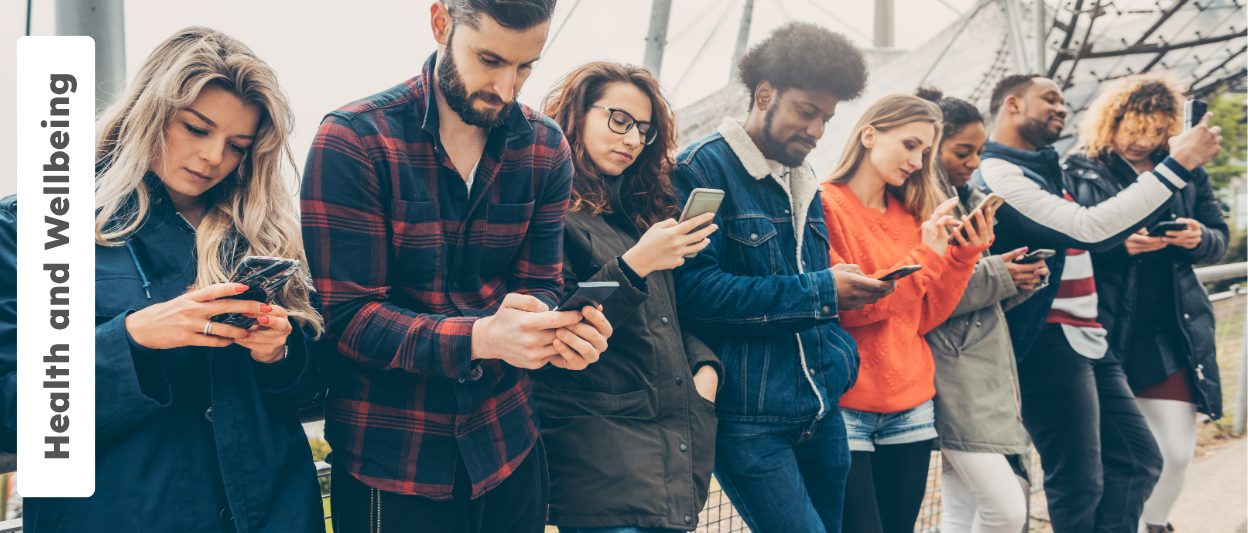
The new legislation is set to take effect in December, and for many parents, YouTube has been a go-to distraction tool — to keep children occupied while they finish dinner preparations, host friends, or simply need a moment’s quiet.
But according to Carol Markie-Dadds, Triple P International Country Director, the changes are about much more than screen time limits.
“The important thing for parents is that now we need to start having conversations with children about what this means for our family and what a tech balance involves in our home,” Carol explains. “That’s tricky because even adults struggle with what’s going to work for themselves and their own family situation.”
“We need to start having conversations about what this means for our family and what a tech balance involves in our home.”
It’s not exactly a ban
That’s true. Yes, the legislation will prevent children from having their own YouTube accounts, but it doesn’t stop them from watching videos, Carol explains.
“It doesn’t mean they’re completely excluded from accessing videos and content on YouTube and other programs. But when a child has their own account and they’re the only ones seeing the feed, unsolicited and harmful content can start to come to them — and parents might not even be aware of it unless their child shares it.”
The aim is to reduce the likelihood of children encountering inappropriate material without their parents’ knowledge.
The aim of the ban is to reduce the likelihood of children encountering inappropriate material.
What to do before the December deadline?
The best thing for families to do, in the lead up to December, is to start preparing now.
“It’s going to be particularly challenging for children in that 13 to 16 age bracket who’ve had a social media account and now it’s being removed from them,” Carol notes. “It’s about having those conversations now, getting in early, and really talking about the rationale for it — that it’s about child safety.”
Frustration, disappointment, and even anger are natural responses. This is why Carol encourages parents to not only explain the reasoning but to listen carefully to their child’s reaction as that will be important, also.
“Be there to help them process those emotions,” Carol says, “and then start to move forward — how are we going to set up our family and our digital safety, and what does safe tech mean for us?”
Frustration, disappointment, and anger are natural responses in children: explain the reasoning and listen to their reaction.
Less screens, more family time
Carol suggests that setting boundaries now will make the transition smoother. That means laying out expectations and avoiding sudden changes that could trigger conflict.
Parents can also access free online parenting support through Triple P, designed to equip mums and dads with skills to navigate challenges like screen time.
“One of the big benefits of reducing screen time is there’s more family time,” she shares. “That’s a great opportunity for quality time together — playing games, interacting, having conversations.”
But she’s quick to remind adults that they’re part of the equation too.
“We might need to be making some changes to our tech use and visibility of our tech use in this lead-up to December as well.”
“One of the big benefits of reducing screen time is there’s more family time,” Carol said.
You don’t need to be a tech expert
For parents worried about keeping up with the technical side, Carol offers reassurance.
“It’s important to recognise you don’t have to be the social media expert or know all the technical information,” she says. “There’s help available through the eSafety Commissioner website, and there will be more resources added as we get closer to December.”
In other words, keeping your child safe online doesn’t require you to be an IT specialist — just a willing and engaged parent.
The YouTube ban may present new challenges for families, but it’s also an opportunity to reset tech habits and reclaim more time together. With early conversations, clear boundaries, and a willingness to lead by example, parents can help their children adjust in healthy, constructive ways.
Listen to the full conversation in the player above.
Feature image: CanvaPro
Get daily encouragement delivered straight to your inbox
Writers from our Real Hope community offer valuable wisdom and insights based on their own experiences!
Subscribe + stay connected with all
our latest stories
More from Life