“Have you ever broken the law?”
Key points:
- “While prosecutors might believe they’re acting in the best interests of justice, decisions about what’s relevant often narrow the story—and sometimes the truth gets lost.”
- One case close to Michele’s heart is that of Kelly Lane, convicted of murdering her newborn daughter despite no body, no forensic evidence and no witnesses.
- “Imagine you are actually innocent, and you have no way of getting people to understand that.”
- Listen to this episode of ‘She Wasn’t Born Yesterday’ in the player above or wherever you get your podcasts.
After confessing to shoplifting a lip gloss as a teenager, Janet Evans and ‘She Wasn’t Born Yesterday’ co-host Jenny Woodhouse dove into something much bigger: how fragile justice can be, and what happens when it goes wrong.
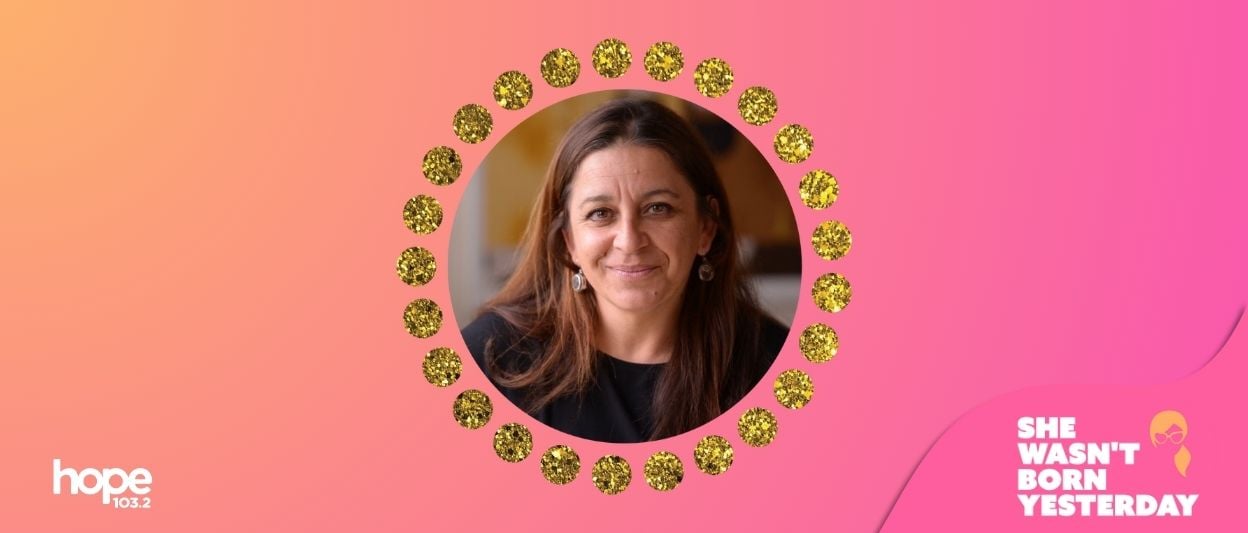
Professor Michele Ruyters, Associate Dean of Criminology and Justice Studies at RMIT and founder of the Bridge of Hope Innocence Initiative has spent years working on wrongful convictions, walking alongside those who insist they’ve been punished for crimes they didn’t commit.
Presumed innocent – but is it that simple?
How reasonable is reasonable doubt? What exactly does that mean?
Michele explained that wrongful convictions often happen because of the way evidence is filtered and presented. “It’s a very curated process,” she said. “While prosecutors might believe they’re acting in the best interests of justice, decisions about what’s relevant often narrow the story—and sometimes the truth gets lost.”
“While prosecutors might believe they’re acting in the best interests of justice, decisions about what’s relevant often narrow the story—and sometimes the truth gets lost.”
Stories behind the statistics
One case Michele described was heartbreaking: a young man convicted of murder at a chaotic party. “There were probably a couple of hundred people there,” she recalled. “Eleven police stations attended the scene… sirens were blaring, people diving out of every exit… The only witnesses left were the ones still at the scene.”
Confusion, low lighting, alcohol and race all played into the way witnesses identified him. “They just morphed into the one person,” Michele said. “Yet he was 17, 65 kilos, and terrified.”
Another case close to Michele’s heart is that of Kelly Lane, convicted of murdering her newborn daughter despite no body, no forensic evidence and no witnesses. “Our first question was, okay, where’s the evidence? I don’t see any evidence,” she said. “That was the big puzzle.”
One case close to Michele’s heart is that of Kelly Lane, convicted of murdering her newborn daughter despite no body, no forensic evidence and no witnesses.
The weight of injustice
For Michele, the work is deeply human. “Imagine you are actually innocent, and you have no way of getting people to understand that,” she said. “The weight of evidence seems to be against you, but you know you didn’t do it.”
She admitted that the emotional toll can be heavy. “Every time I get asked why I do this, I tear up,” Michele confessed. “It’s because of the people involved… If you truly are innocent, it’s like a sense of drowning. But there are also the families on the other side who deserve for this to be over.”
“Imagine you are actually innocent, and you have no way of getting people to understand that.”
Why this work matters
Janet put it simply: “This whole discussion makes me think I never ever want to go into a court case, because I’m not sure justice would be done.”
And that’s why Michele continues her mission—not only to review cases but also to train students to see the justice system through the eyes of the accused. “It’s transformative,” she said. “Having someone believe in you is often the most important thing.”
Listen to this episode of ‘She Wasn’t Born Yesterday’ in the player above or wherever you get your podcasts.
Hope in the hardest places
Despite the heavy subject matter, the conversation was filled with encouragement. Michele reminded listeners that the Innocence Initiative is about hope—hope that truth can surface, hope that lives can be restored, and hope that ordinary people can make a difference.
Because even in the most serious conversations, humour, faith, and connection remind us we’re not alone.
If you’ve ever wondered how justice really works—or doesn’t—this is a conversation you don’t want to miss.
Listen to this episode of ‘She Wasn’t Born Yesterday’ in the player above or wherever you get your podcasts.
Feature image: CanvaPro
Get daily encouragement delivered straight to your inbox
Writers from our Real Hope community offer valuable wisdom and insights based on their own experiences!
Subscribe + stay connected with all
our latest stories
More from Guests and Artists