Netflix show, Adolescence, was watched by more than 96 million people in its first three weeks.
Key points:
- “Manosphere”: broad description of online communities emphasising traditional masculinity and negativity toward modern feminism, Marshall explained.
- “Incel”: involuntary celibacy, often spoken about in tones of hatred and bitterness and toxicity, Marshall explained.
- 70-90% of teenage boys regularly look at misogynistic, aggressive, self-indulgent and entitled sexualised material; a lot more than the 0.02% of males at risk of incel culture, Marshall explained.
- Listen to this episode of ‘She Wasn’t Born Yesterday’ in the player above or wherever you get your podcasts.
The story follows a 13-year-old boy who kills a classmate, later revealed to be immersed in “the manosphere” and incel culture.
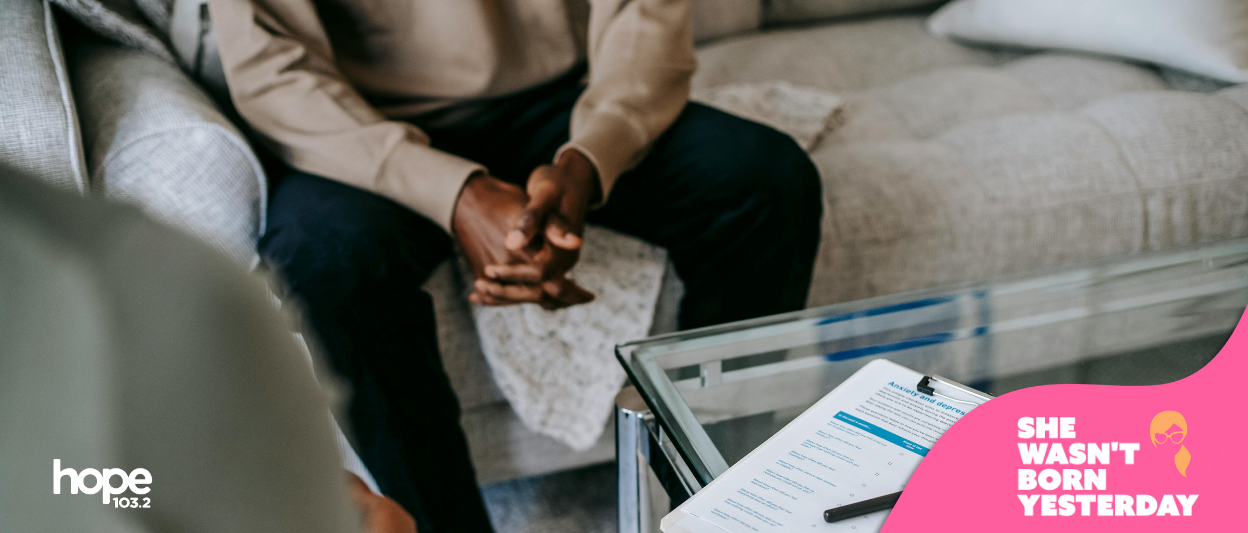
To unpack what that means, Janet and Jenny from ‘She Wasn’t Born Yesterday’ welcomed back Marshall Ballantine Jones.
“The manosphere,” Marshall explained, “is this broad description of online communities, forums, websites, chat groups that emphasise traditional masculinity and generally have some sort of reaction against modern feminism.”
And “incel culture”? “It stands for involuntary celibacy. So, it’s a group of people who have self-diagnosed that they are unable to match up with a romantic partner… and so those people have their own arenas of gathering online… often in tones of hatred and bitterness and toxicity.”
“Manosphere”: broad description of online communities emphasising traditional masculinity and negativity toward modern feminism, Marshall explained.
A small but noisy group
Marshall was clear about proportion. “If you try to guess what proportion of the male population are incels in the western world… it would be about 0.02%. It’s a very small [group].”
He added that most aren’t violent: “The vast majority of them, like 75%, would be classified as pacifists who would not condone violence.”
For Marshall, the greater issue is not incels but pornography. “Like 70 to 90% of teenage boys now are regularly looking at very misogynistic, very aggressive, very self-indulgent and entitled sexualised material. That’s a huge proportion of boys. That’s a lot more than the 0.02% of males at risk of the incel stuff.”
By age 11 or 12, most boys have already been exposed. “By the time you’re talking about 14 years old, there’d only be a fraction of the boys who haven’t been exposed to pornography.”
“Incel”: involuntary celibacy, often spoken about in tones of hatred and bitterness and toxicity, Marshall explained.
Why teens are so influenced
At this stage of life, Marshall explained, “the medial prefrontal cortex is rapidly expanding. That’s the part of the brain that’s responsible for social engagement and for that sense of identity and belonging.” Teens are looking for approval, validation, and connection—online communities can quickly fill that space.
“Any area that you spend a lot of time on online can become central to your thinking,” Marshall cautioned. Whether it’s eating disorder content, pornography, or misogynistic forums, “that can take over.”
70-90% of teenage boys regularly look at misogynistic, aggressive, self-indulgent and entitled sexualised material; a lot more than the 0.02% of males at risk of incel culture, Marshall explained.
The role of parents
So what can parents do? Marshall didn’t shy away: “I don’t see why a kid under the age of 16 needs a smartphone. If they need to text mum because they missed the bus, get the Nokia brick, it’s still out there.”
But more than devices, it’s about culture at home. “Parents need to engage with their kids more. They need to understand their kids’ worldview. They need to talk through stuff. Parents who converse more with kids… end up having kids who are more emotionally stable, stronger self-esteem, better social behaviours.”
And he stressed the power of friendships: “You need to be aware of who their friends are, and you need to make sure that they’re around not only decent friends, but you need to get to know the families of those friends and understand what their values are too.”
Listen to this episode of ‘She Wasn’t Born Yesterday’ in the player above or wherever you get your podcasts.
What should parents watch for? “Are they spending a lot of time online?… You want to look for mood changes… or comments that are suddenly being said—sexualised comments, disrespectful comments, misogynistic comments. Once you start hearing and seeing those sorts of behaviours, your alarm bell should be raging.”
Even in the face of challenges, Marshall pointed to solutions. He spoke about his school programs through Digi Help, and his church ministry, Resist, which supports people struggling with pornography. “We like to partner with schools… every school’s got their own unique challenges.”
Listen to this episode of ‘She Wasn’t Born Yesterday’ in the player above or wherever you get your podcasts.
Feature image: CanvaPro
Get daily encouragement delivered straight to your inbox
Writers from our Real Hope community offer valuable wisdom and insights based on their own experiences!
Subscribe + stay connected with all
our latest stories
More from Guests and Artists