It was one thing to survive the Lindt Cafe Siege, but there was more than one lesson to learn on the road to healing.
Key points:
- Looking well on the outside can cover up what’s going on inside.
- We can all play a part in eliminating hate, anger and ultimately terrorism in our communities.
- Victims of Terrorism Australia provides support to people who have been involved in incidents involving large numbers of casualties or other traumatic events.
- If you or someone you know is struggling, support is available. Contact Lifeline on 13 11 14 or Beyond Blue on 1300 22 4636.
- Listen to this episode of ‘She Wasn’t Born Yesterday’ in the player above or wherever you get your podcasts.
On the morning of 15 December 2014, Louisa Hope and her mother were in the Sydney CBD for a visit to their lawyer. Breakfast at the Lindt Cafe was the start of a day that would change their lives and remain in our national consciousness for years to come.
“My prayer for that day had been, well, whatever’s meant to be, Lord God, you know, it’s going to happen. So not imagining quite what did happen of course, but there we were just waiting in the cafe until it was time to go up to see the lawyer.”
Moments later Louisa’s life changed when she, her mother, and another sixteen staff members and customers were taken hostage by Man Monis. The siege would last for sixteen hours, with Louisa and her mother being two of the four hostages remaining when police stormed the cafe the following morning.
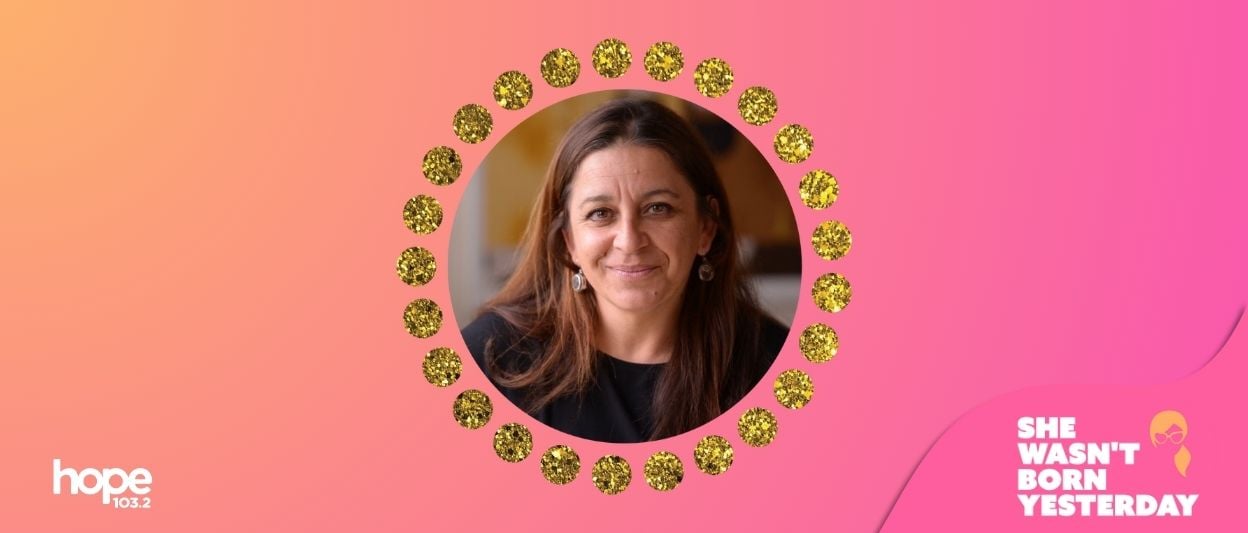
Louisa shares with hosts Janet and Jenni what happened on that day and how it impacted her in the decade that followed.
Looking well on the outside can cover up what’s going on inside.
The long term impact
By the time she was rescued, Louisa had been shot in the foot and suffered significant shrapnel wounds to her torso. She would go on to spend three months recovering in hospital. The physical healing came more quickly than the emotional healing and it would not be until eight years later that Louisa would be encouraged to see a psychologist.
“I can only describe how I was after the siege as euphoric. I went into this euphoria. And of course, after three months in hospital, we then started the Louisa Hope Fund for Nurses at Prince of Wales. And that got very busy very quickly.”
It was only when a pain specialist insisted Louisa’s sleeplessness and physical pain could be symptoms of Post Traumatic Stress Disorder (PTSD) that she visited a psychologist and began to heal emotionally.
We can all play a part in eliminating hate, anger and ultimately terrorism in our communities.
Journey to healing
Treatment with a psychologist using Eye Movement Desensitisation and Reprocessing (EMDR) therapy helped Louisa process the impact of her experience, bringing what was hiding under the surface in her sub-conscious into the light.
“Nobody would have suspected that I was in a state of PTSD because I actually didn’t recognise it myself. And I’m pretty well informed.”
We can all learn from Louisa’s experience by checking in with each other, asking the tough questions and being aware of the impact of trauma in the lives of the people around us.
“We need to check and check deeper with each other. That’s something we can do for each other and for ourselves.”
“Seeing a psychologist is just like seeing any other doctor.”
How to forgive?
Asked by Janet if she had been able to forgive Man Monis for his actions, Louise shared how from the beginning she had chosen understanding rather than hate.
We all have a part to play. “This is what we commonly call now community counterterrorism. This is how we are active by working out and helping each other across communities, all communities, to lower the level of angst and hate and violence that results.”
Listen to this episode of ‘She Wasn’t Born Yesterday’ in the player above or wherever you get your podcasts.
The power of prayer
As Louisa shares, when events like this happen we can all be part of a community response. Prayer is one of the most potent ways we can provide support.
“During the actual siege, I can say that I honestly felt the prayers of people. I could feel it. The general collective coming around us; I felt that too and I was forever grateful.”
Listen to this episode of ‘She Wasn’t Born Yesterday’ in the player above or wherever you get your podcasts.
If you or someone you know is struggling, support is available. Contact Lifeline on 13 11 14 or Beyond Blue on 1300 22 4636.
Feature image: Canva Pro
Get daily encouragement delivered straight to your inbox
Writers from our Real Hope community offer valuable wisdom and insights based on their own experiences!
Subscribe + stay connected with all
our latest stories
More from Guests and Artists