Bullying in schools has changed over the years, but its impact remains serious.
Key Points
- Twenty-five percent of kids will experience bullying in their lifetime. It’s not just a right of passage – some scars last for life.
- Parents often struggle with the right response to their child being bullied. Parents are urged to listen to their child without rushing in emotionally. To take comprehensive notes and details of the situation, and contact teachers first before anyone else.
- Sometimes parents face the tough reality that their child is the bully. We’ve got to be honest about ourselves and our kids. Try to understand what may be the cause for their behaviour, always appreciate their honesty and willingness to take responsibility, and look to work with the school in resolving the issue.
Craig Hunter, Principal of Kalamunda Christian School, sheds light on how parents and schools can work together to protect children.
“Twenty-five percent of kids will experience bullying in their lifetime,” Craig explained. “It’s not just a right of passage. Some scars last for life.”
While past generations often dismissed bullying, today’s educators recognise the long-term damage it can cause. Schools now focus on resilience, culture change, and best practices to reduce harm.
When and where bullying peaks
According to Craig, bullying is most common in Year 5 and Year 9. And this is why…
Developmental changes and social dynamics fuel these spikes. “Year five is when kids start asserting themselves, and in Year nine, identity and hormones come into play,” he noted.
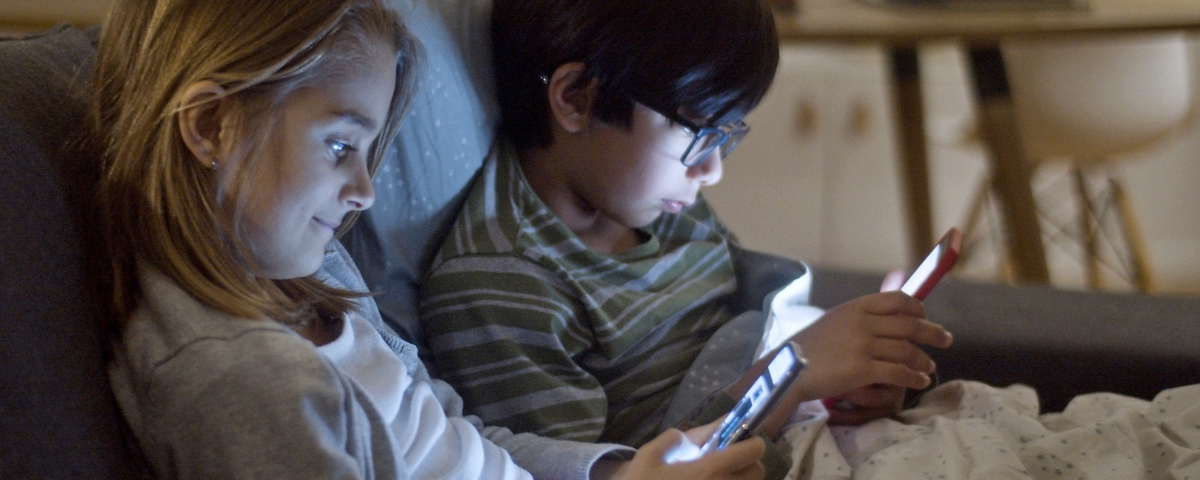
Unlike previous generations, today’s students face cyberbullying. Social media, gaming chats, and messaging apps create new spaces for harassment. Craig warned, “It’s hidden, and often we only notice when a child’s behaviour changes.”
Defining bullying vs. conflict
Not all disagreements are bullying. “Bullying is a pattern of behaviour with a power imbalance,” Craig clarified. Conflict, on the other hand, usually involves both parties feeling sorry and working it out.
How parents should respond
Parents often struggle with the right response. Craig advises, “Take a deep breath. Listen to your child without rushing in emotionally.” He encourages parents to jot down details, contact teachers first, and escalate only if needed.
Importantly, he cautions against confronting other parents directly. “Kids need to be heard and taken seriously”, he stressed.
What schools do to address bullying
Schools aim for early intervention. “If kids don’t feel safe, they won’t learn,” Craig said. Staff investigate, separate students, and involve parents when patterns emerge. Restorative practices, counselling, and clear communication are key tools.
When the bully is your child
Sometimes parents face the tough reality that their child is the bully.
Craig encourages honesty and openness: “We’ve got to be honest about ourselves and our kids. Get help, model respect, and work with the school.”
Craig’s biggest tip is to stay calm, document everything, and work in partnership with schools. “Parents have the right to know their child is safe. Keep schools accountable, but aim for restoration, not punishment.”
Article supplied with thanks to Sonshine & Bec Harris.
Feature image: Canva
Get daily encouragement delivered straight to your inbox
Writers from our Real Hope community offer valuable wisdom and insights based on their own experiences!
Subscribe + stay connected with all
our latest stories
More from Parenting