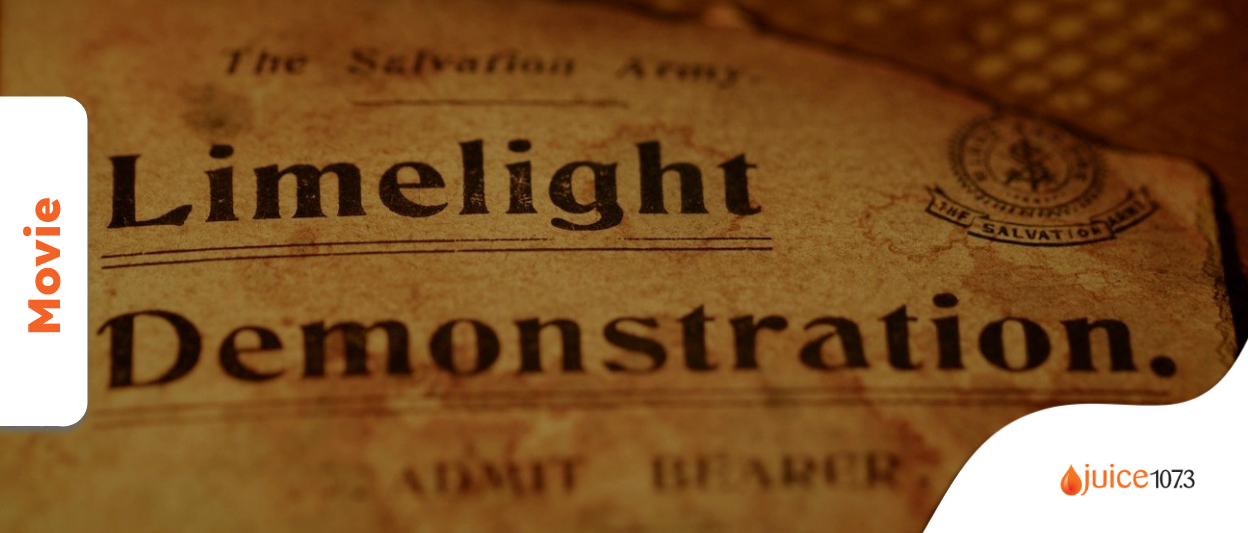
We don’t always imagine the church as a leader of cultural innovation, but new feature documentary LIMELIGHT takes us back to a remarkable and often-overlooked chapter of Australia’s creative history where Christians pioneered cinema.
Key points:
- LIMELIGHT uncovers the story of a Salvation Army film studio that began in Melbourne in 1891.
- LIMELIGHT restores early footage in 4K and releases across digital platforms this November.
Directed by Eddie Beyrouthy, LIMELIGHT uncovers the story of a fledgling Salvation Army film studio that began in Melbourne in 1891 – two full decades before Hollywood opened its first studio.
Barry Gittens from the Salvation Army Museum says the rediscovery of this history feels long overdue.
“It’s a pretty amazing story really,” Barry told Hope 103.2.
“A bit of forgotten film history and a bit of Australian history that we’ve just lost touch with.”
LIMELIGHT uncovers the story of a Salvation Army film studio that began in Melbourne in 1891.
From a modest Bourke Street attic, Captain Joseph Perry – then just 28 – and Commandant Herbert Booth built what would become one of the world’s first film studios. Barry explained that Perry’s passion for imagery began in community work.
“He was working with folks who’d been released from prison,” Barry said.
“As part of the fundraising for that work, he would be taking photographs [and] use those funds to actually provide a roof over their heads and food for their bellies.”
Perry’s strengths in photography and magic lantern slides caught the attention of leaders in Melbourne, and soon the work expanded into film.
Between the 1890s and 1909, the Limelight Department produced more than 300 films.
These included biblical depictions, stories of faith, social documentary pieces and slice-of-life footage. Some films showcased the Salvation Army’s social work, such as Social Salvation, which highlighted support for widows, people overcoming addiction and children in need. Other films explored everyday life, from farms and mines to glimpses of Aboriginal culture.
“There was this genuine interest in life and this desire to share life with other people through the medium of film,” Barry said.
One of the most ambitious productions, Soldiers of the Cross, debuted at Melbourne Town Hall in 1900. Blending film, hand-coloured lantern slides, live narration and a brass band, it was unlike anything audiences had seen.
The Limelight Department also pioneered techniques now standard in filmmaking.
Scenes depicting early Christians in the Coliseum were so startling that “poor old wealthy Melbourne dowagers [were] fainting dead in the aisles”.
The Limelight Department also pioneered techniques now standard in filmmaking.
“The use of a panning shot was pioneered by the Salvation Army,” Barry said, adding that their filming of Australia’s Federation celebrations in 1901 introduced multi-camera coverage to broadcasts – a standard approach used in live television today.
Despite its success, the studio closed in 1910 because of “money, politics and sexuality”.
LIMELIGHT restores early footage in 4K and releases across digital platforms this November.
As cultural attitudes shifted, internal tensions grew around what content the Department should create and with government contracts drying up and film beginning to be used in ways the church found concerning, leadership stepped back. The departure of Herbert Booth, a key creative force, accelerated the closure.
Even so, Barry believes the story carries a hopeful message for today’s churches.
“It’s important [to] recognize what is possible if you have a dream,” Barry said.
“If something seems to be a way of reaching people and helping people, then if God’s for us, who can be against us?”
LIMELIGHT restores much of this early footage in 4K and releases across digital platforms this November.
Feature image: Supplied (Heritage Films)
Get daily encouragement delivered straight to your inbox
Writers from our Real Hope community offer valuable wisdom and insights based on their own experiences!
Subscribe + stay connected with all
our latest stories
More from Movies