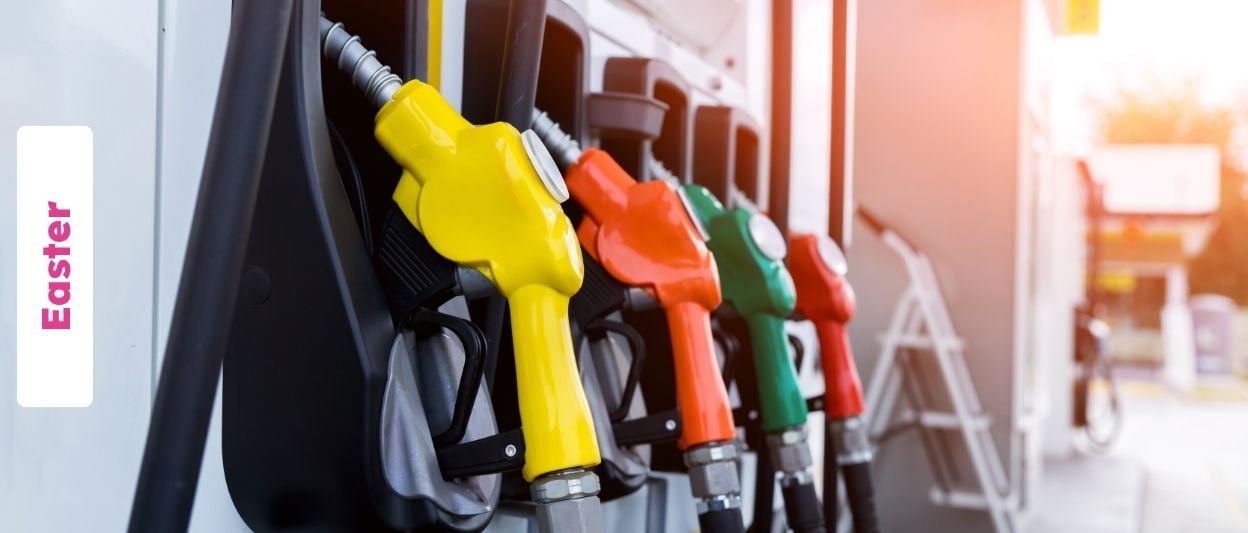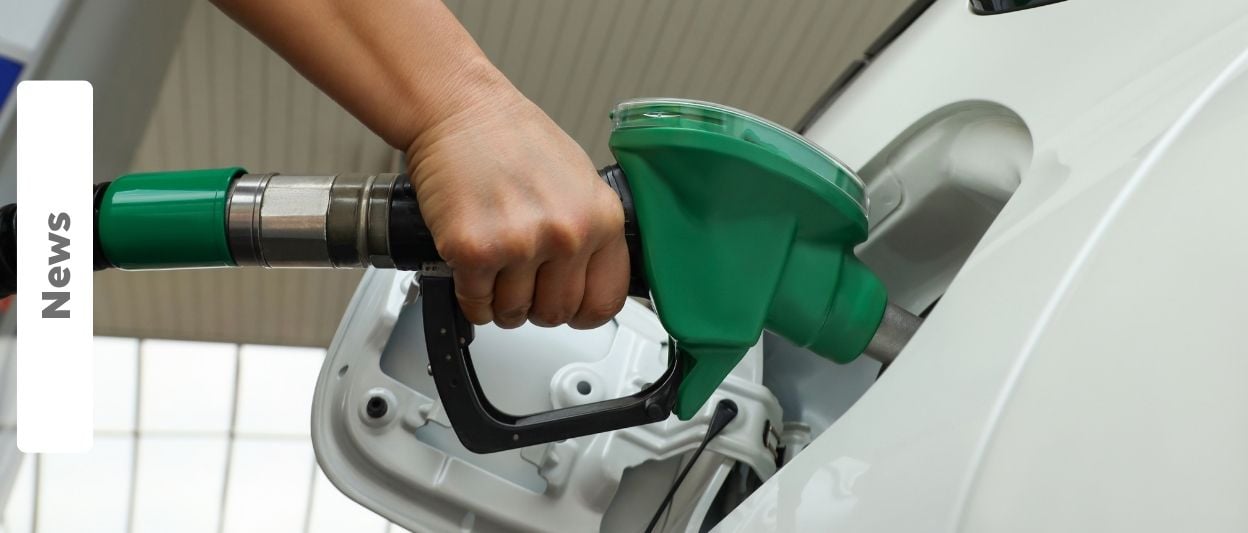
As the war in Iran rages on, and the cost of fuel continues to rise, Prime Minister Anthony Albanese has announced measures to help ease the pain at the bowser.
What we know:
- The Australian Government will halve the fuel excise for three months, cutting petrol and diesel prices by around 26 cents per litre.
- The measure runs from April 1 to June 30, with prices expected to fall gradually as new fuel stock reaches service stations.
- A broader National Fuel Security Plan is in place, with Australians encouraged to conserve fuel amid global supply pressures.
Relief is expected this week.
Following a meeting of the National Cabinet yesterday, the Australian Government unveiled a national fuel plan.
It involves halving the fuel excise on petrol and diesel for three months.
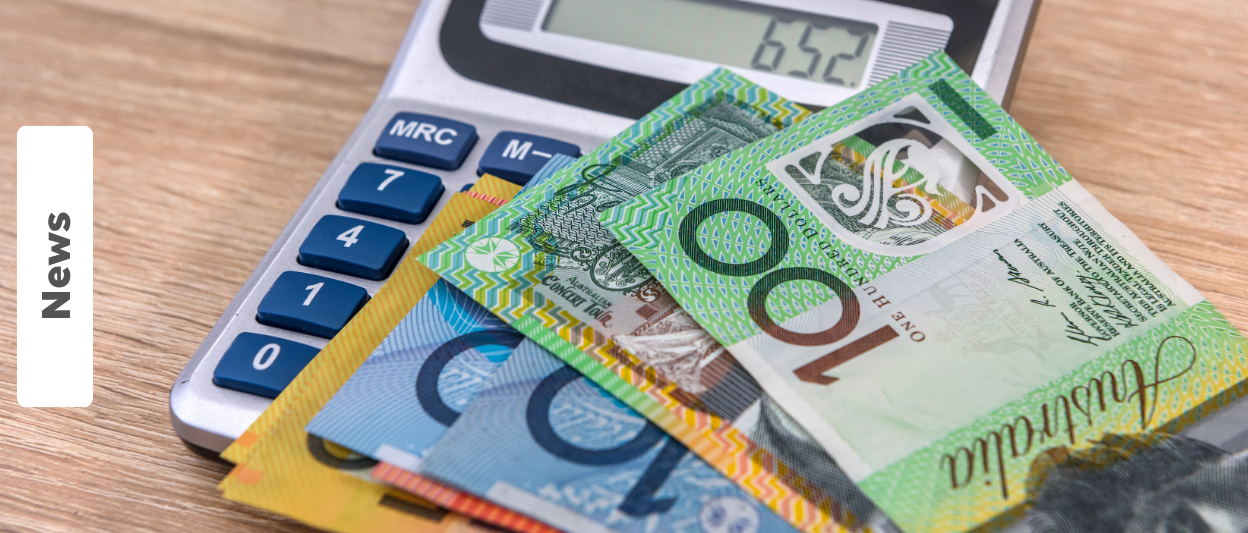
This means the cost of fuel will drop by 26 cents per litre (a saving of around $20 per 65-litre tank).
“We’re making fuel cheaper today because we understand that Australians are under serious pressure,” Prime Minister Albanese said.
When will the discount begin?
The halving of the fuel excise will begin on April 1, but the Government has warned not to expect a drop in prices for a few days (after the current stores are replaced with new stock).
The measure will continue until June 30.
“The spike in fuel prices as a result of the war in the Middle East is hurting Australians and causing financial stress,” read a Government statement.
“This will help to provide some relief.”
Truck tax
For the same time period, the Government will also reduce the Heavy Vehicle Road User Charge to zero.
The charge is about 32 cents per litre.
And there will be no increase to the heavy vehicle tax over the next six months.
The Prime Minister said the reduction will “help truckies continue their vital work for our nation”.
National plan
The Government has also implemented a National Fuel Security Plan, which comes in four levels or stages.
1. Plan and prepare
Australia has currently passed this stage, where fuel supply “operates as normal, with governments monitoring impacts of global factors”.
2. Keeping Australia moving
This is the current stage.
“Fuel supply continues to operate effectively, but localised supply disruptions occur,” the Government said in a statement.
The Government is taking “precautionary actions” to shore up fuel supply.
It recommends that Australians only buy the fuel that they need, and make “voluntary choices” (like using public transport, or ride a bike) to use less fuel and avoid the impact of higher fuel prices.
“We really also want to encourage Australians who can to take public transport to help save fuel for the areas and industries that need it,” the Prime Minister said.
3. Taking targeted action
We are not at this level just yet. But ongoing supply disruptions would mean the Government “will focus on getting fuel to where it’s needed most” and look for ways to reduce Australians’ fuel consumption, including through “voluntary lifestyle changes” such as working from home.
The Government would also consider releasing more of the country’s oil reserves, the plan states.
4. Protecting critical services for all Australians
This is for when fuel supply disruptions reach a point that will require government action to ensure “critical users are protected, and the economy remains open and operating”.
“While Australia’s fuel supply outlook remains secure in the near term, we need to be very clear as well with Australians that the longer this war goes on, the worse the impacts will be,” the Prime Minister said yesterday.
“And I and the Government understand that people are really worried, but we have a plan to get through this.”
Are there other measures?
Australians are also being encouraged to use public transport wherever possible to help conserve fuel, and “we welcome existing moves to cut the costs of public transport,” read a Federal Government statement.
Public transport will be free in Victoria (for one month) and Tasmania (for three months). No such measure has been made (or is expected to be made, according to some economists) in other states and territories.
“We are acting now to prepare and shield Australians,” said the Prime Minister.
What about holiday driving trips?
The Federal Government have not warned Australians to cancel their road trips, but there is a risk that some types of fuel might not be available at some service stations due to the “localised supply disruptions”.
Tools like RACQ’s Fair Fuel Finder in Queensland or national apps like Fuel Map Australia can help you compare prices and check availability before you hit the road.
Feature image: Canva
Get daily encouragement delivered straight to your inbox
Writers from our Real Hope community offer valuable wisdom and insights based on their own experiences!
Subscribe + stay connected with all
our latest stories
More from News