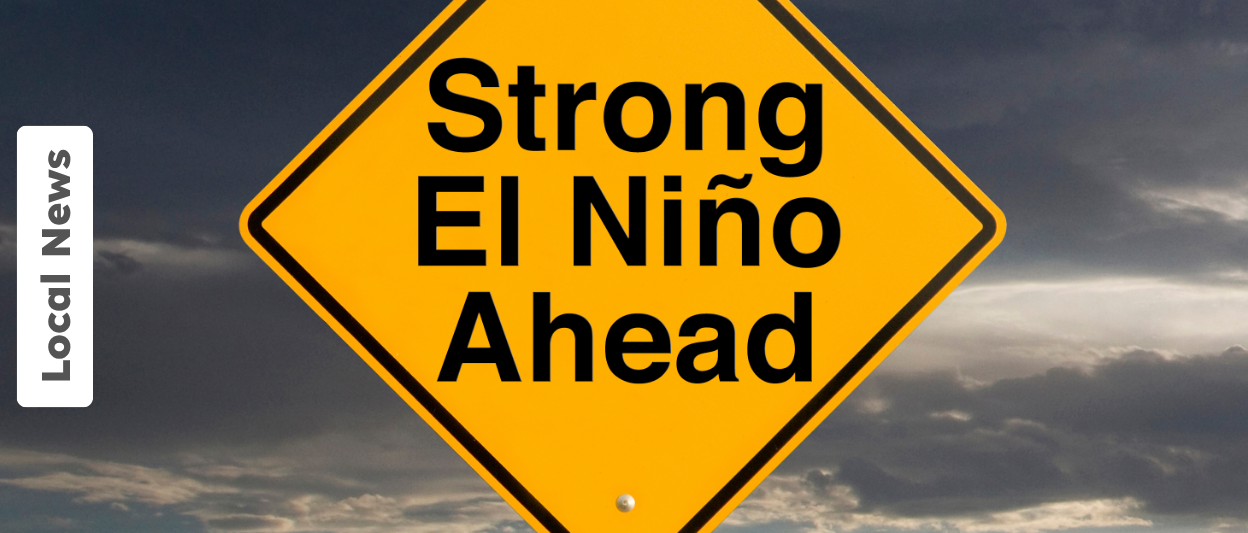
Scientists are tracking an unusually rapid shift in the Pacific. It's not a reason to panic. It's a reason to plan ahead.
Key points:
- The Pacific Ocean is shifting to El Niño at the fastest rate in 50 years, with subsurface temperatures already up to 6°C above normal in some areas.
- Most global models, including the Bureau of Meteorology’s own, expect El Niño conditions to form between late autumn and the end of winter 2026, with the possibility of a strong event.
- While drier and warmer conditions are likely across much of Australia, forecasts at this stage carry real uncertainty. Early preparation makes all the difference.
Australia has just come out of a La Niña season that brought welcome rain to much of the country and gave many drought-affected regions a real breather.
Now scientists are pointing to the next phase of the natural climate cycle, and they say it’s arriving faster than usual. The encouraging thing is that we have time to get prepared.
According to the Bureau of Meteorology, the Niño 3.4 index (the key measure of Pacific Ocean conditions) rose by 0.5°C in just a fortnight. Beneath the ocean surface, at depths of 50 to 250 metres, a large pool of abnormally warm water has been building, with temperatures exceeding average by as much as 6°C in some areas.
Since January, the surface temperature in that region has already climbed by more than 1°C. That is the fastest rate of change in fifty years, according to ABC News.
So what exactly is El Niño?
El Niño is a natural climate cycle that comes around every two to seven years.
It occurs when sea surface temperatures in the central and eastern Pacific Ocean rise above average, which weakens the trade winds and shifts atmospheric patterns across the globe. For Australia, that typically means less rainfall and warmer temperatures, particularly across the east and north of the country. The most recent El Niño was in the 2023–24 season.
Most international forecasting models, including the Bureau of Meteorology’s own, expect El Niño conditions to develop somewhere between late autumn and the end of winter. The US Geophysical Fluid Dynamics Laboratory (GFDL) also points to an elevated probability of a moderate to strong event by spring.
Some models raise the possibility of a “super El Niño”: an exceptionally strong version where eastern Pacific temperatures rise two degrees or more above normal. Scientists are quick to add, though, that forecasts at this time of year carry more uncertainty than usual due to what’s known as the “autumn predictability barrier.”
The strength of El Niño in the Pacific also doesn’t automatically translate into equally strong impacts here at home, as local weather is shaped by many other factors as well. There is still a wide range of possible outcomes.
What could it mean for Australia?
In practical terms, a drier-than-average winter is the most likely outcome for eastern and northern Australia.
Southern regions may see more frosty nights despite higher daytime temperatures, and the alpine snow season could be shorter than usual.
In the north and Queensland, the wet season may arrive later than normal, and tropical cyclone activity could be reduced.
It’s worth remembering that no two El Niño events are the same. Forecasts give us a general picture, not a fixed script. Australia has been through cycles like this before and come out the other side, with communities that knew what was coming and planned accordingly.
How to get ready
Farmers and growers would do well to revisit their water management and planting plans now, with a potentially drier period ahead. Households in bushfire-prone areas are encouraged to update or create a family evacuation plan before spring, when conditions are more likely to be demanding.
Conserving water where possible over the coming months is a simple step that benefits everyone, particularly if a dry summer follows.
Staying across official updates is also straightforward: the Bureau of Meteorology publishes weekly ENSO analysis at bom.gov.au, and your state’s Rural Fire Service or Country Fire Authority will release seasonal outlooks as winter progresses.
And perhaps one of the most practical things any of us can do is support our regional communities. Buying local produce, checking in on rural neighbours, and recognising that the people who work our land are often the first to feel the effects of a dry season.
This article was prepared with AI assistance and then carefully reviewed, fact-checked, and edited by our Digital Team.
Feature image: Canva Pro
Get daily encouragement delivered straight to your inbox
Writers from our Real Hope community offer valuable wisdom and insights based on their own experiences!
Subscribe + stay connected with all
our latest stories
More from News