Grandparenting comes with challenges that can feel overwhelming.
Key points:
- 30% of grandparents are now solo – a significant shift that represents thousands of grandparents carrying responsibilities that were once shared.
- A big family “actually has a society blessing because you’re producing kids that can go out and be… better humans.”
- Grandparents want their family to share their faith and live in harmony.
- Prayer, and “letting things go through to the keeper” — can help prevent relational fissures before they form.
- Whether you’re a solo grandparent, have dozens of grandchildren, or are working to heal broken family bonds, the call remains to love imperfectly but persistently.
- Grandparenting requires both practical wisdom and spiritual resilience.
Whether you’re navigating the isolation of doing it alone, managing relationships with dozens of grandchildren, or working to heal fractured family bonds, today’s grandparents face complexities that previous generations rarely encountered.
Through conversations with Ian Barnett from the National Grandparent Movement on the ‘GrandParenthood’ podcast, we explore three areas where grandparents need both practical wisdom and emotional support.
Is solo grandparenting the new norm?
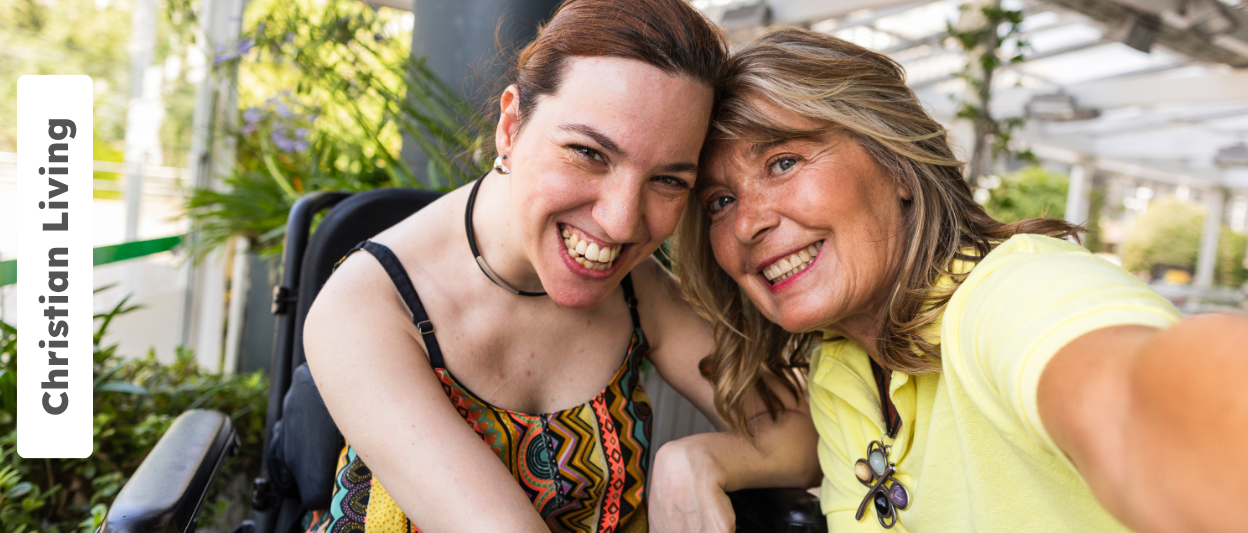
Solo grandparenting is quietly becoming the new normal in Australia.
According to Ian, around 30% of grandparents are now solo – a significant shift that represents thousands of grandparents carrying responsibilities that were once shared.
This isn’t just about divorce or widowhood; even within marriages, many grandparents find themselves functionally solo when their spouse remains disconnected from grandchildren.
The responsibility of solo grandparenthood
“It is harder,” Ian acknowledges. “It can be a physical drain, it can be an emotional drain… you haven’t got someone necessarily close to you that you can talk about the challenges you face.”
The weight of solo grandparenting shows up in many ways.
30% of grandparents are now solo – a significant shift that represents thousands of grandparents carrying responsibilities that were once shared.
There’s the practical exhaustion of managing grandchildren alone, the emotional burden of making all decisions without consultation, and perhaps most painfully, the persistent guilt.
“You just feel a bit more guilty if you say no,” Ian explains. “And yet you can be tired a lot quicker without that other support person.”
The stigma of raising grandchildren alone
For those raising grandchildren full-time while solo, the challenges multiply.
“You have a double whammy there,” Ian notes, “looking after your own kids and your grandkids.”
This situation often comes with the same social isolation and stigma experienced by single parents, especially within church communities.
“Often we’re better at dealing with couples than with people who are separated or divorced,” he says. “When you become a solo grandparent, you often feel you’re on your own.”
Solo grandparenthood – when you’re married
Even within marriages, a grandparent may still be functionally solo.
“You can still be in a marriage and also be a solo grandparent,” Ian says. “Some people probably wish their husband, or wife would be far more connected with the grandkids.”
The loneliness can be overwhelming.
This isolation affects not just the grandparent’s wellbeing, but potentially their ability to provide the best care and connection for their grandchildren.
Can you have too many grandchildren?
At the other end of the spectrum are grandparents blessed with what Ian calls “a lot” of grandchildren – typically 20 or more.
While this brings immense joy, it also presents unique challenges that can leave even the most dedicated grandparents feeling like they’re not doing enough.
“No is the answer” to whether you can have too many grandchildren, Ian responds.
“Psalm 127 talks about… it’s a blessing to have a lot of kids.” But what actually counts as “a lot”? “Certainly 20 plus,” Ian says.
More grandchildren, more joy?
“Some have, you know, in their 30s or more. I caught up with an old friend, she has 23 grandkids.”
Ian himself has seven—”the magical number”—but he often hears from grandparents navigating much bigger broods.
The joys are real. “They bring so much joy… stories, fun… and you see them interact with each other,” Ian shares.
“It actually has a society blessing because you’re producing kids that can go out and be… better humans.”
It comes with a cost
Yet the practical realities can feel overwhelming.
“You can’t engage with them all at the same time or in the same way,” Ian admits.
A big family “actually has a society blessing because you’re producing kids that can go out and be… better humans.”
The guilt that comes with this limitation is familiar to many grandparents with large broods.
“Grandparents will share with me – they feel guilty that they can’t spend more time individually…
“But I’ve never heard anyone complain.”
Strategy is the solution
The solution, according to Ian, lies in intentional organisation and strategic thinking.
“You have to be highly disciplined and diligent. You have to be a calendar nerd,” he says.
His practical suggestion shows the level of planning required: “There’s 26 fortnights [in a year]… why don’t you once a year have one of them over for the weekend?”
Technology becomes an ally when used thoughtfully. “While you might have lightheartedly mentioned WhatsApp, you actually can use technology to help you connect,” Ian notes.
It’s the thought that counts
Above all, it’s about creating quality moments rather than trying to achieve equal time with everyone.
“Often when grandkids talk about their grandparents… they’ll remember, ‘Nana made the effort to be here for this event,'” Ian shares.
He encourages grandparents to “find out what they’re interested in and then share what you like doing… so when they see you next time, they’ll remember last time.”
As Ben summed it up: “That’s a lot of thinking, time and effort to put into coordination, let alone the actual relationship.”
But Ian’s reminder? “What else are you gonna do… with the blessing that God has given you?”
What about fractured relationships?
Perhaps the most heartbreaking challenge facing grandparents is when relationships with adult children sour, potentially cutting off access to grandchildren entirely.
This reality affects grandparents across all family sizes and circumstances, creating wounds that can last for years.
Ian points to common patterns that lead to relationship breakdown.
It often starts with judgement
Often, it begins with judgment: “We look at our own life and think, ‘I wouldn’t do it like that.'”
This feeling grows stronger when grandparents’ deep love and concern for their family leads to interventions that cause more harm than good.
Grandparents want their family to share their faith and live in harmony.
Conflict avoidance makes things worse.
Rather than addressing issues directly, many families prefer to sweep difficult issues under the carpet to avoid pain and confrontation.
However, this approach often allows tensions to build silently until they explode into conflicts that damage relationships permanently.
Christians aren’t immune
Not surprisingly, a strong Christian faith doesn’t provide protection from these struggles.
In fact, Ian candidly shares that sometimes grandparents’ expressions of their faith, if perceived as rigid or lacking in compassion, can push adult children away.
This “zealousness without knowledge” (Romans 10) may unintentionally push loved ones away rather than drawing them closer.
Christian grandparents often carry a dual burden: wanting their family to share their faith and live in harmony, yet facing pain when this doesn’t happen.
This can deepen feelings of loneliness and heartache, particularly for those who are also navigating solo grandparenting or managing complex family dynamics.
Pathways to healing and connection
Despite varied challenges, hope and practical wisdom emerge from understanding how these struggles connect.
The isolation of solo grandparenting, the overwhelm of large families, and the heartbreak of broken relationships all share common themes: the need for intentional connection, community support, and grace-filled approaches to imperfect situations.
Break the silence
For solo grandparents, the path forward involves breaking silence and seeking support.
“Don’t remain silent.
“Be honest… and open up,” Ian advises.
The church has a responsibility
Churches and communities have a particular responsibility here.
“Churches are a great place to find a special community,” he says. “They can demonstrate love to you and walk alongside of you.”
Prayer, and “letting things go through to the keeper” — can help prevent relational fissures before they form.
Ian reminds us of the biblical mandate to care for the vulnerable, including solo grandparents.
“James 1 talks about how God the Father cares for widows,” Ian says. “And in 1 Timothy 5, kids are told to care for their parents who become solo grandparents.”
Intentionality helps
For those managing large families, success comes through strategic intentionality rather than attempting equal treatment.
It’s about creating memorable moments and maintaining connections that matter, even if they can’t be constant or comprehensive.
For grandparents facing relationship breakdown, healing requires both practical and spiritual approaches.
Ian offers this guidance:
Pause before speaking. Take a breath. Seek counsel from a spouse or trusted friend before reacting. Words have lasting impact.
Approach with grace and humility. The biblical call to be “slow to speak and quick to listen” (James 1:19) becomes crucial in family conflicts.
Pray and extend forgiveness. Holding onto anger only prolongs pain. “Be kind to one another, tenderhearted, forgiving one another” (Ephesians 4:32).
Take small, courageous steps to reconnect. Whether it’s a phone call, handwritten letter, or invitation for coffee, reaching out can start healing even when the initial response is uncertain.
Remember the ministry of reconciliation. 2 Corinthians 5 calls Christians to be agents of reconciliation, actively pursuing peace rather than waiting for others to make the first move.
Ian shares the example of a mother who wrote a letter to her estranged daughter after two years of silence, highlighting how these humble gestures can open doors for new beginnings.
Prevention remains better than cure. Special occasions and family gatherings often become flashpoints for tension.
Preparing emotionally and spiritually — through prayer, seeking peace, and “letting things go through to the keeper” — can help prevent relational fissures before they form.
The connection of intentionally showing love
What emerges from examining these three challenges is a common thread: the need for intentional, grace-filled love that acknowledges limitations while refusing to give up.
Whether you’re a solo grandparent fighting isolation, managing connections with dozens of grandchildren, or working to heal broken family bonds, the call remains the same—to love imperfectly but persistently.
The pain is real across all these situations.
Solo grandparents carry burdens alone that were meant to be shared.
Grandparents with large families wrestle with guilt over relationships they can’t fully nurture.
Whether you’re a solo grandparent, have dozens of grandchildren, or are working to heal broken family bonds, the call remains to love imperfectly but persistently.
Those facing family estrangement live with the daily heartache of severed connections.
Yet within each challenge lies an opportunity for grace to flourish.
Solo grandparents can model resilience and seek community in ways that strengthen both themselves and their grandchildren.
Those with large families can demonstrate that love multiplies rather than divides, creating systems of connection that benefit entire family networks.
Grandparents facing broken relationships can choose to be agents of reconciliation, embodying the very grace they hope to see restored.
Moving forward with hope
Grandparenting requires both practical wisdom and spiritual resilience.
It asks us to acknowledge the real challenges while refusing to be defined by them.
Whether you’re navigating one of these specific situations or supporting someone who is, remember that there are no magic solutions — but there are pathways forward marked by intentionality, community support, and persistent love.
If you’re walking through any of these difficult terrains, know that you’re not alone.
Reach out, seek support, and hold onto the truths that call you to be a peacemaker, reconciler, and vessel of grace.
Grandparenting requires both practical wisdom and spiritual resilience.
The road may be hard, but it’s also where God’s healing and restoration can flourish.
Modern grandparenting asks us to be more intentional, more connected, and more grace-filled than ever before.
But for those willing to embrace these challenges with wisdom and love, the rewards — for both grandparents and grandchildren — are immeasurable.
There are no easy answers for grandparents navigating these struggles.
The pain is real, the wounds often deep, and the path to healing long and uncertain.
But these conversations with Ian and Ben show us that with wisdom, patience, prayer, and grace, damaged family ties can be tenderly mended over time.
If you are a grandparent walking through this difficult terrain, know you are not alone.
Reach out, seek support, and hold on to the truths that call you to be a peacemaker, a reconciler, and a vessel of grace.
Listen to the ‘GrandParenthood’ podcast in the players above or wherever you get your podcasts.
Get daily encouragement delivered straight to your inbox
Writers from our Real Hope community offer valuable wisdom and insights based on their own experiences!
Subscribe + stay connected with all
our latest stories
More from Christian Living