When Sarah Patterson stepped into her role as National Director of Mission Without Borders Australia, she found herself on a steep learning curve.
Key points:
- “I had no idea about the extent of poverty and suffering that was happening [in Eastern Europe]. But also people’s real need for Jesus.”
- “A lot of people grew up in a secular environment where they were told that God didn’t exist.”
- “We bring a sense of community—people sit around tables together, across different generations.”
- This simple act of eating together reflects a biblical truth: fellowship matters.
- Listen to the full conversation in the player above.
“I was involved in mission with an Asian agency before this,” Sarah says.
“So learning about Eastern Europe’s been a really interesting journey… I had no idea about the extent of poverty and suffering that was happening there. But also people’s real need for Jesus.”
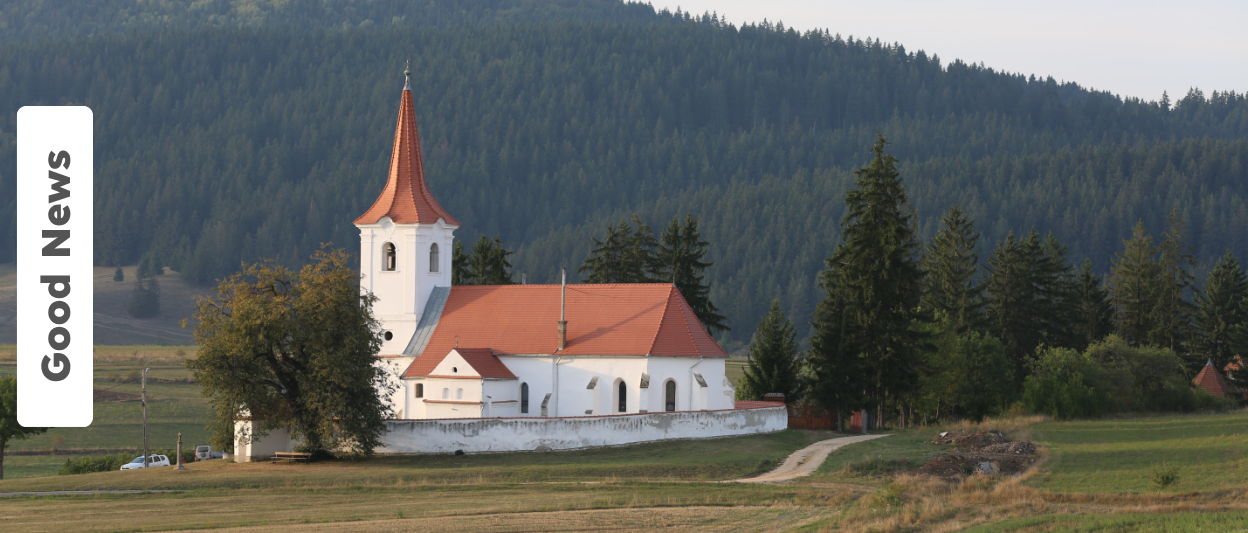
For many Australians, Eastern Europe isn’t the first place that comes to mind when thinking about poverty. Yet, behind its historic architecture and postcard scenery, there are deep social and spiritual needs.
“I had no idea about the extent of poverty and suffering [in Eastern Europe]. But also people’s real need for Jesus.”
Rebuilding faith
For instance, “All of the countries that we work in are former communist countries,” Sarah explains. “While there are churches there, a lot of people grew up in a secular environment where they were told that God didn’t exist.”
Faith played a stronger role in community life, two or three generations ago, but decades of political ideology has left a spiritual vacuum. “When communism fell back in the late 1980s and early 1990s, the church really stepped in and loved people,” she says. “Lots of people came to faith… but in many places, the church is still quite small. There’s still a long way to go.”
“A lot of people grew up in a secular environment where they were told that God didn’t exist.”
From smuggling Bibles to serving soup
Mission Without Borders began in the 1960s as an underground evangelism movement, smuggling Bibles into Eastern Europe. But the collapse of communism revealed a different crisis.
“The end of communism left a huge hole in the economies of different countries,” Sarah says. “There were children in orphanages who needed support. People were suddenly unemployed, and churches were under-resourced to reach out to their communities.”
The mission adapted, moving into practical care—still grounded in the gospel message. Today, that includes soup kitchens across six different countries.
“We bring a sense of community—people sit around tables together, across different generations.”
Food and fellowship
For many who visit the soup kitchens, it’s their only hot meal of the day. But the work goes far deeper than food distribution.
“You can give somebody a meal and they eat it, then they come back the next day,” Sarah says. “But what we do is a whole lot more. We bring a sense of community—people sit around tables together, across different generations.”
Local church volunteers are a key part of the atmosphere. “They’re talking with people, building relationships, seeing how else we can support them, and showing them that Jesus loves them in a really practical way,” she adds.
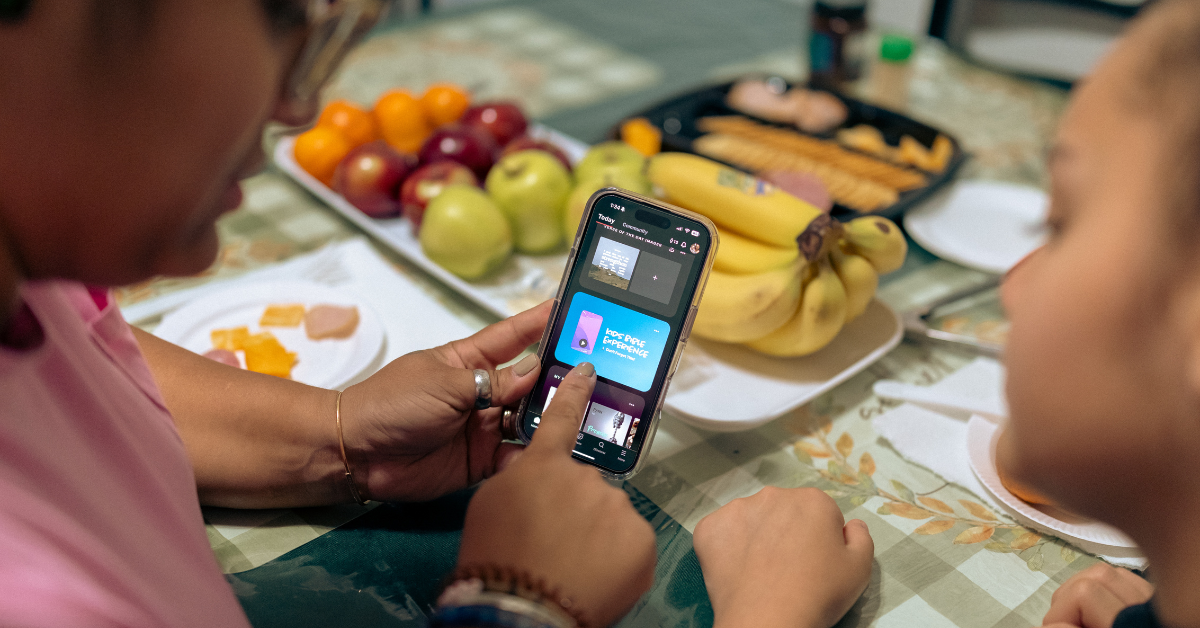
This simple act of eating together reflects a biblical truth: fellowship matters. “Sharing a meal is a huge thing,” Sarah says. “It’s part of how people feel seen, valued, and connected.”
This simple act of eating together reflects a biblical truth: fellowship matters.
How Australians can help
The work in Eastern Europe is sustained by people who choose to partner with Mission Without Borders from across the world—including here in Australia.
“There are lots of ways that people can help,” Sarah says. “You can give directly to our soup kitchens, but the better way is to get together with friends for what we call a Soup for Soup fundraiser.”
The idea is simple: gather friends, cook soup, and share stories about the mission’s work. “We’ve got resources we can share, including recipes—even some famous Eastern European soups,” Sarah says. “It’s a way to enjoy fellowship here while supporting fellowship and care over there.”
Listen to the full conversation in the player above.
Take a seat with Jesus
What began decades ago as a covert mission to bring the Bible into closed countries has become a ministry that meets both spiritual and practical needs. Through a bowl of hot soup, a warm table, and the love of Christ, Mission Without Borders is helping rebuild not only lives but communities.
“Jesus cares for people in practical ways,” Sarah says. “And when we show that care, we open doors for hope and faith to grow.”
Listen to the full conversation in the player above.
Feature image: CanvaPro
Get daily encouragement delivered straight to your inbox
Writers from our Real Hope community offer valuable wisdom and insights based on their own experiences!
Subscribe + stay connected with all
our latest stories
More from Faith