When most people hear Red Cross, they picture blood donations or emergency relief.
Key points:
- While the pace of life seems to speed up every year, some people find themselves being quietly left behind.
- Red Cross offers a range of programs for those aged 65 and above (or 50 and above for First Nations people) who have been assessed as eligible for home and social support.
- One of the best-known services for seniors is Telecross — a daily welfare check run by trained Red Cross volunteers, operating every single day of the year.
- While the programs are running well, Michael admits there’s a big need for more volunteers.
- Listen to the full conversation in the player above.
But as Michael Ryan, Senior Business Development Manager for Red Cross NSW, told Hope Drive, their work goes far beyond that — especially when it comes to supporting the elderly and isolated.
“We’re a very large organisation, obviously with a lot of history going back well over 110 years in this country and part of a worldwide movement of 165 other countries,” Michael explained. “All of our services are targeted at community — supporting the vulnerable and isolated.”
Dealing with isolation in an increasingly busy world
While the pace of life seems to speed up every year, some people find themselves being quietly left behind. For many seniors, family members live far away, friends have passed on, and opportunities for social connection are rare.
Michael says this reality can be distressing.
“There are a lot of people out there who are isolated… it can be a very lonely existence,” he said. “These support services are very valuable and important for their wellbeing and their sustainability at home.”
While the pace of life seems to speed up every year, some people find themselves being quietly left behind.
Red Cross offers a range of programs for those aged 65 and above (or 50 and above for First Nations people) who have been assessed as eligible for home and social support.
Daily lifeline in Telecross welfare checks
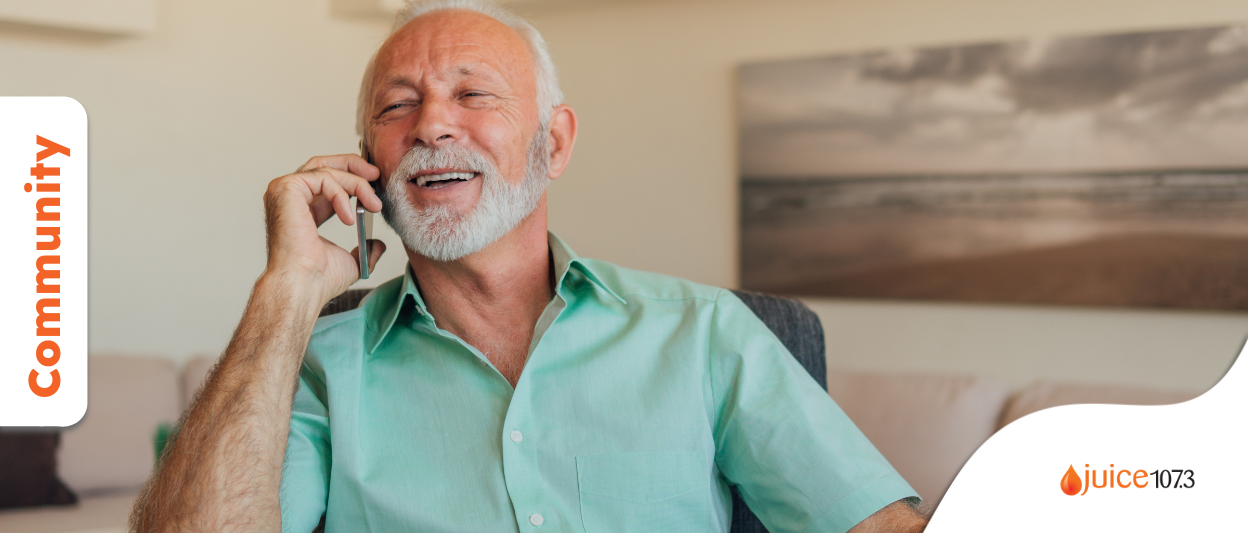
One of the best-known services for seniors is Telecross — a daily welfare check run by trained Red Cross volunteers, operating every single day of the year.
“We will do a daily check just to have a chat, to see if they’re okay for the day,” Michael shared. “If they have any concerns about their wellbeing, how they’re feeling… if there are issues, we have nominated contacts that we’ll elevate to. If needed, we’ll escalate to emergency services after speaking to key contacts.”
This simple, regular call provides peace of mind for clients and their loved ones. Even those already receiving home care can face long stretches alone, and Telecross fills that gap.
Red Cross offers a range of programs for those aged 65 and above (or 50 and above for First Nations people) who have been assessed as eligible for home and social support.
More than a check-in: Telechat friendships
While Telecross ensures people are safe, Telechat goes deeper — tackling loneliness head-on. The program matches clients with a volunteer who shares similar interests, creating a space for real conversation and friendship.
“Loneliness… particularly as you’re ageing, has definitely been linked to depression and wellbeing, but also health deterioration,” Michael said. “Telechat is one where we match the client with a volunteer… and they can just chat about anything for 40 minutes to an hour. We’ll do that once a week, or more if they’d like.”
Some clients choose to have both Telecross and Telechat — a safety net and a social connection.
One of the best-known services for seniors is Telecross — a daily welfare check run by trained Red Cross volunteers, operating every single day of the year.
Making a difference from your own home: volunteers needed
While the programs are running well, Michael admits there’s a big need for more volunteers.
“We really do [need volunteers],” he said. “It’s a win–win for them too. They really get a lot out of this as far as their own wellbeing and benefit, feeling like they’re assisting these people.”
Opportunities extend beyond phone-based support. The Red Cross visiting program allows volunteers to meet clients in their homes, sharing a cuppa, taking a walk, or enjoying a small outing together.
“It’s a very rewarding program… but we really need the volunteers before we can get this up and running,” Michael said. “There are no charges to clients — it’s part of a contract we have with the Commonwealth Government.”
While the programs are running well, Michael admits there’s a big need for more volunteers.
How you can help — or get help
Whether you know someone who could benefit from these services, or you’re interested in volunteering yourself, the process is simple.
“They can go onto our webpage — redcross.org.au/visiting for the visiting program, or just redcross.org.au and look for volunteering,” Michael explained. “You’ll find information on volunteering, Telecross and visiting there, and our friendly team can talk you through the next steps.”
These programs remind us that no one should have to face each day alone — and that a simple conversation can be life-changing.
Feature image: CanvaPro
Get daily encouragement delivered straight to your inbox
Writers from our Real Hope community offer valuable wisdom and insights based on their own experiences!
Subscribe + stay connected with all
our latest stories
More from Uncategorised