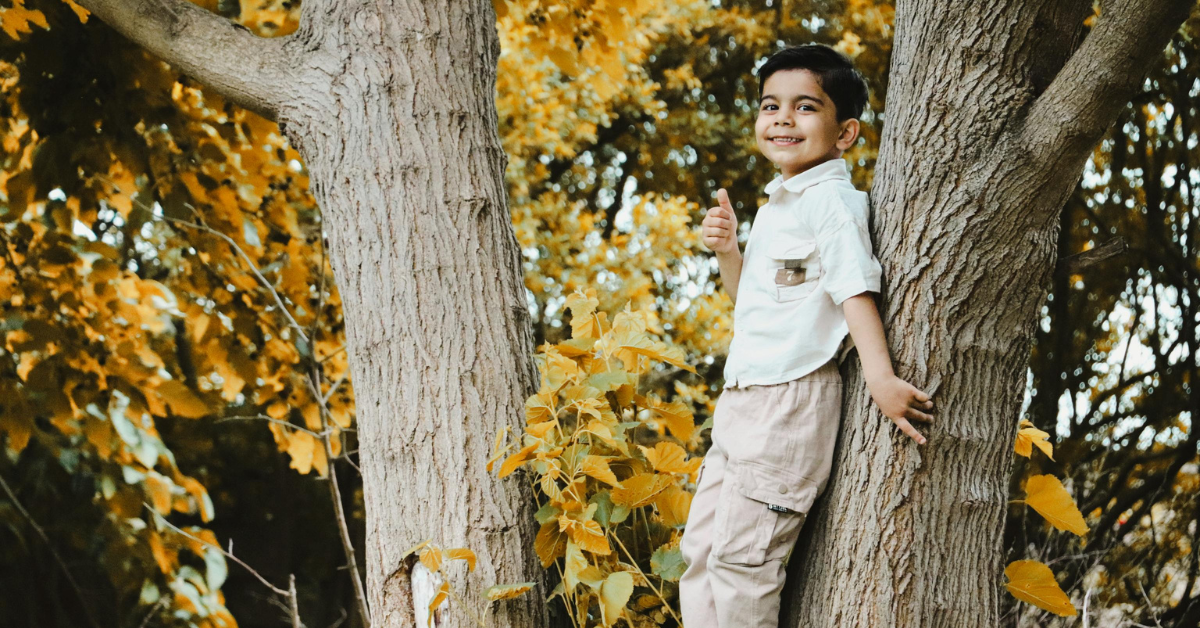
Nature Play WA CEO Kelsie Prabawa-Sear on why children need risky play to grow into confident, capable decision-makers.
Key points:
- Risky play builds decision-making skills that carry into adolescence and adulthood.
- Parents can unintentionally project their own risk appetite onto their children, holding them back from age-appropriate challenges.
- There is an important difference between risky play and unsafe play, and most children instinctively know the difference.
Children learn through risky play, but where is the line between healthy risk and danger?
Kelsie Prabawa-Sear, Nature Play WA CEO, explores the benefits of learning through risk. She noted that anyone who reflects on their own childhood remembers the bumps and scratches.
Wobbly Moments
“Wobbly moments are just a really natural part of childhood and something that we adults shouldn’t try to erase from childhood.”
Parents want to protect their children from injury, but the consequence of that is they may not develop their own sense of decision making.
“We are not letting our kids enjoy the delights of risk in their childhood. If they don’t have the confidence to make decisions and they’re not given opportunities to work things out and try things for themselves, they are missing out on key skills.”
Risk Assessment
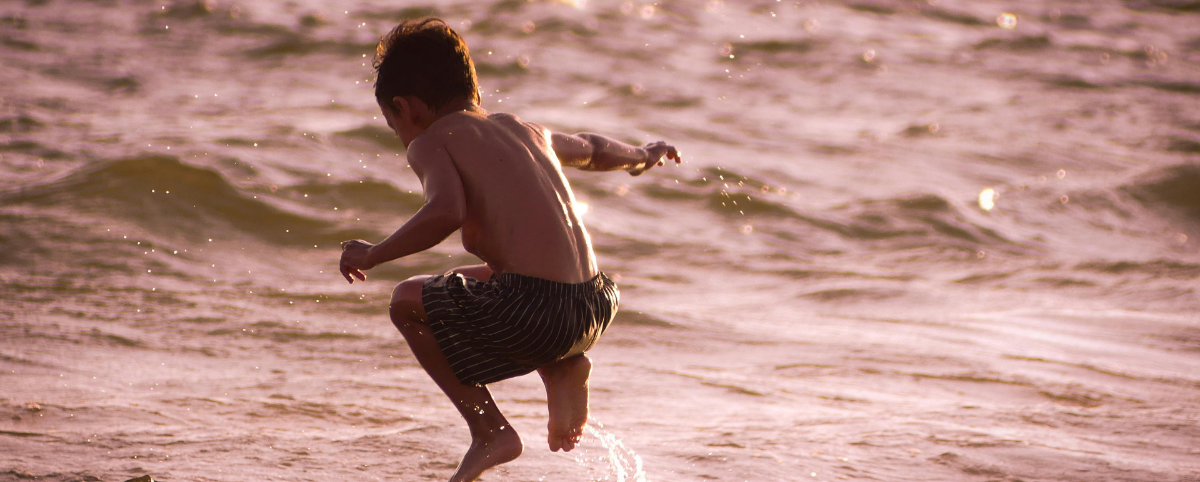
Children need to be able to test what their body is capable of doing. It will affect how they handle decision-making into their teen years. If they haven’t had a healthy amount of risk-taking, they could start making dangerous decisions.
“They start doing things that are really actually dangerous because they’re looking for risk, but don’t know how to assess it, what they’re capable of, and what that might mean.”
Kelsie used the example of riding a bike.
“You learn that you have to go a bit slower and you can accelerate out of corners. If you’ve never learnt that on your bike and then you get in a car, you don’t realise what a slippery road might be or what speed will do.”
“We are not letting our kids enjoy the delights of risk in their childhood.”
Levels of Risk Appetite
Everyone has a different risk appetite, according to Kelsie.
“That can be based on your own experience, or your own coordination or self-confidence.”
Parents or grandparents can potentially project their own risk appetite onto the child based on their experiences or simply out of fear that the child might be injured.
“Sometimes we get risk averse, when really the kids are a lot more capable than we realise.”
These instances can happen with older children who are insistent that they can do difficult tasks.
“They really can – so we often see this in siblings: the younger sibling might have more advanced skills because of the exposure to their older sibling.”
Risk is fundamental to childhood and something that parents should learn to embrace.
“We are helping kids understand the difference between risk and challenge and danger, and they’re really different things.”
Risky Vs Unsafe Play
Unsafe play is something that is dangerous or structurally unsafe and most likely to cause imminent injury.
“If, for example, you go on a rusty slide with jagged bits. You’re going to be injured badly.”
Kids often innately know the difference between risky or unsafe play,” said Kelsie.
“They have different skills and willingness to take risks.”
The goal isn’t fearless children, it’s children who know their limits, and know how to get back up.
Feature image: Canva
Get daily encouragement delivered straight to your inbox
Writers from our Real Hope community offer valuable wisdom and insights based on their own experiences!
Subscribe + stay connected with all
our latest stories
More from Parenting